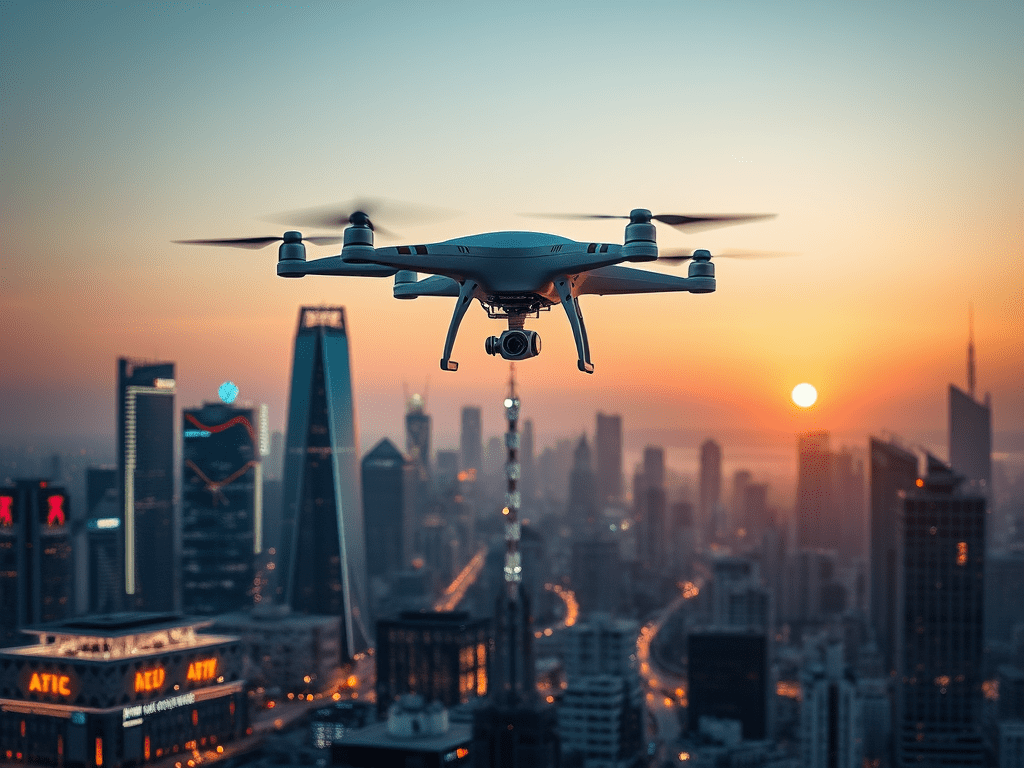
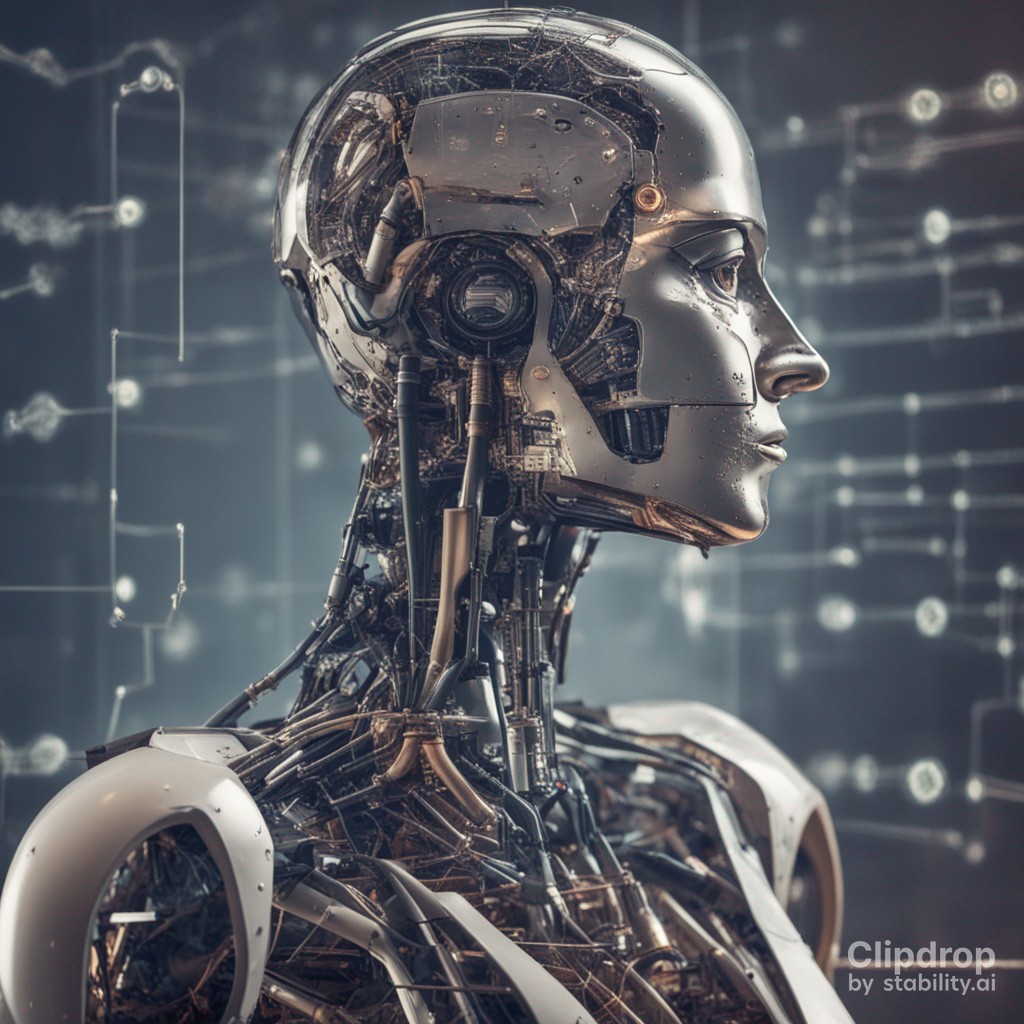
Discover how Artificial Intelligence (AI) is transforming and revolutionizing multiple industries, leveraging cutting-edge technology to drive efficiency, innovation, and growth! Let us explore the far-reaching impact of AI applications across diverse sectors.
Introduction
Artificial Intelligence (AI) is a game-changer that has emerged as a transformative force across various industries, paving the way for previously unimaginable advancements and efficiencies. The integration of AI into different sectors has revolutionized the way businesses operate, enhancing productivity, cost-effectiveness, and customer experiences. From healthcare to finance, manufacturing to transportation, AI technologies are reshaping industries and empowering organizations to thrive in an increasingly digital and competitive landscape.
Let’s delve into the remarkable impact of AI across different sectors and witness its unparalleled potential!
Healthcare: Saving Lives and Transforming Treatments
AI technologies have unleashed a new era of possibilities in the healthcare industry, amplifying the quality of patient care, diagnosis, and treatment. Through advanced machine learning algorithms and data analytics, AI has the potential to analyze vast amounts of medical data, predict diseases, and identify the most effective treatment plans.
Here’s how AI is revolutionizing healthcare:
1. Improved Medical Diagnostics:
- AI-enabled diagnostic tools can analyze medical images, such as X-rays and MRIs, with remarkable precision.
- These intelligent algorithms can rapidly detect abnormalities, aiding in early intervention and accurate diagnoses.
2. Personalized Medicine:
- Leveraging AI algorithms, healthcare providers can develop personalized treatment plans based on a patient’s unique genetic makeup, medical history, and lifestyle factors.
- This approach enhances treatment outcomes and reduces adverse drug reactions.
3. Virtual Assistants and Chatbots:
- AI-powered virtual assistants can provide patients with immediate access to medical information and assistance.
- Chatbots offer 24/7 support, answering queries, scheduling appointments, and providing general medical advice.
Finance: Smart Decisions and Enhanced Security
The financial industry has embraced AI to optimize operations, enhance security, and drive intelligent decision-making. AI algorithms can analyze vast amounts of financial data in real-time, delivering actionable insights and streamlining processes.
Let’s explore the transformative impact of AI in finance:
1. Fraud Detection and Prevention:
- AI employs sophisticated algorithms to detect patterns and anomalies, enabling financial institutions to proactively identify fraudulent activities.
- This technology enhances security and helps safeguard against cyber threats in the digital landscape.
2. Algorithmic Trading:
- AI-driven trading systems analyze market trends, news, and historical data at an unprecedented speed, facilitating informed investment decisions.
- These algorithms can execute trades with minimal human intervention, leading to more accurate predictions and improved portfolio management.
3. Customer Service and Personalized Banking:
- AI-powered chatbots and virtual assistants in the finance industry provide personalized customer experiences, answering queries, assisting with transactions, and providing financial recommendations tailored to individual needs.
Manufacturing: Smart Factories and Efficient Production
Artificial Intelligence has revolutionized the manufacturing sector, delivering smart automation, predictive maintenance, and streamlined production processes. By leveraging AI technologies, manufacturers can achieve unprecedented levels of efficiency, quality control, and cost reduction.
Here’s how AI is transforming manufacturing:
1. Predictive Maintenance:
- AI algorithms monitor equipment performance, analyzing data and patterns to predict potential faults or breakdowns.
- This proactive approach enables manufacturers to schedule maintenance before critical issues occur, minimizing downtime and optimizing productivity.
2. Quality Control:
- AI-powered computer vision systems can detect defects and anomalies quickly, significantly improving quality control in manufacturing processes.
- These systems can identify minute imperfections that may be missed by human inspectors, ensuring consistent product quality.
3. Robotics and Automation:
- Collaborative robots or cobots, integrated with AI capabilities, can perform repetitive tasks with precision, speed, and safety.
- AI-powered robots work seamlessly alongside human workers, enhancing productivity and allowing employees to focus on more complex tasks.
Transportation: Smarter Mobility and Autonomous Vehicles
Artificial Intelligence is propelling the transportation industry into the future, enabling advancements in autonomous vehicles, traffic optimization, and predictive maintenance. From self-driving cars to smart traffic management, AI is driving efficiency and safety.
Let’s explore the impact of AI in transportation:
1. Autonomous Vehicles:
- AI plays a pivotal role in enabling self-driving cars and autonomous vehicle systems.
- These technologies leverage AI algorithms to perceive and analyze their surroundings, making real-time decisions to navigate roads safely and efficiently.
2. Traffic Management:
- AI-powered systems use data analytics to optimize traffic flow, reduce congestion, and improve overall transportation efficiency.
- These systems analyze real-time data from various sources, such as traffic cameras and GPS, to dynamically adjust traffic signals and reroute vehicles.
3. Predictive Maintenance:
- AI algorithms monitor vehicle performance data, detecting potential faults or maintenance requirements in real-time.
- This enables transportation companies to schedule maintenance and repairs proactively, minimizing breakdowns and enhancing fleet reliability.
Conclusion
Artificial Intelligence (AI) has emerged as a transformative force across diverse industries, revolutionizing healthcare, finance, manufacturing, and transportation, among others. By harnessing the power of AI, organizations can unlock new levels of efficiency, innovation, and growth. From accurate medical diagnostics to personalized finance services, from smart factories to self-driving vehicles, AI technologies are changing the way we live, work, and interact with the world around us. As AI continues to evolve, its positive impact on various sectors will only grow, reshaping industries and driving us towards a future powered by intelligent automation and limitless possibilities!
FAQs
- What is Artificial Intelligence (AI)?
- Artificial Intelligence (AI) refers to the development of computer systems capable of performing tasks that normally require human intelligence.
- AI systems can analyze vast amounts of data, recognize patterns, and make decisions based on algorithms or predictive models.
- How is AI transforming healthcare?
- AI is transforming healthcare through improved medical diagnostics, personalized treatment plans, and AI-powered virtual assistants or chatbots for patient support and care.
- What are the benefits of AI in finance?
- AI in finance enhances fraud detection and prevention, enables algorithmic trading for informed investment decisions, and delivers personalized customer experiences through virtual assistants.
- What is the role of AI in manufacturing?
- AI improves manufacturing processes through predictive maintenance, quality control, and robotics and automation, enabling smart factories and efficient production.
- How does AI impact transportation?
- AI impacts transportation by enabling autonomous vehicles, optimizing traffic management for smoother mobility, and providing predictive maintenance for enhanced vehicle reliability.
In conclusion, AI’s impact across industries is profound, driving innovation, efficiency, and growth in healthcare, finance, manufacturing, transportation, and more. This exciting technological advancement holds vast potential for the future, paving the way for a more intelligent and interconnected world. Embracing AI is essential for organizations striving to stay competitive and seize the opportunities presented by these groundbreaking technologies.
 thedarshside